What Was it Like as an Army Helicopter Door Gunner in Vietnam?
Published July 20, 2022
In terms of all forms of air combat across all services in the Vietnam War, the most dangerous job was Army air crewman on a Bell UH-1 “Huey” helicopter flying the new, highly successful air assault missions. The Korean War (1950-53) revealed some important facts about helicopters: 1.) They were essential to ground combat and needed some serious RDT&E money to take advantage of the potential, and; 2.) Airborne assaults using paratroopers were an essential asset, but limited in terms of putting a platoon or company-sized element on-target without scattering soldiers over a wide area. The right kind of helicopter could revolutionize airborne combat assaults. The Huey helicopter was the game-changing assault platform the Army needed. Now a target could be Air Assaulted with precision, and limited only by the number of Hueys available. The UH-1 was the first Army helicopter to use a jet engine connected to a transmission that powered the main and tail rotors. It was faster, had more range and climbed faster, too. With hydraulic-assisted controls, pilots said it was like flying a luxury car! They carried a 4-man crew and were designed to carry a 9-man infantry squad. In Vietnam, however, the oppressive heat and humidity robbed all helicopters of a lot of lifting capacity, and limited them to 6 soldiers instead of 9. The Huey was flown primarily in the basic transport (“slick”) configuration and some as modified gunships. Being a door gunner on a slick and a gunship were very different jobs. Each aircraft had a crew chief with a maintenance mechanic MOS. The crew chief was quasi-owner of the bird, and was charged with keeping it flying, as well as flying on her. Door gunners were not from an aviation MOS; just someone willing to fly, live dangerously, and learned to be a good shot firing from a moving platform. They helped the crew chief work on the chopper, too. A Huey gunship was adapted to carry (most of the time) forward firing 7.62mm miniguns and 7-tube, 2.75″ folding-fin aerial rockets. Crew chiefs and gunners on Huey gunships were primarily aboard as weapons mechanics and spotters. The Huey gunships were already weight-limited and unable to carry anything other than the four crewmen, the weapons and extra ammo. If the bird ever touched down during combat, it was because it was forced to. The “slick” version was the most plentiful variant where the flying crew chief and door gunner had M60, 7.62mm machine guns for use as directed by the aircraft commander. A good door gunner realized very early on, the best way to stay alive was to not only shoot well, but to meld as quickly as possible with the crew chief on a day-to-day basis. Since pilots were assigned to fly different aircraft all of the time, crew chiefs and door gunners had to learn to mold themselves into a 4-man team every time they flew with different pilots. This meant acting and doing things to keep everyone safe, the chopper flying and the guns shooting without having to be told. If you did these things on a regular basis as a crew chief & door gunner, the word got around, and pilots felt good to have you “watching their six.”
Ciao,
Steve Miller, IAPWE – Certified & Member Managing Editor The Report on National Security Kinetics™ Seattle, WA. USA vietvetsteve@millermgmtsys.com
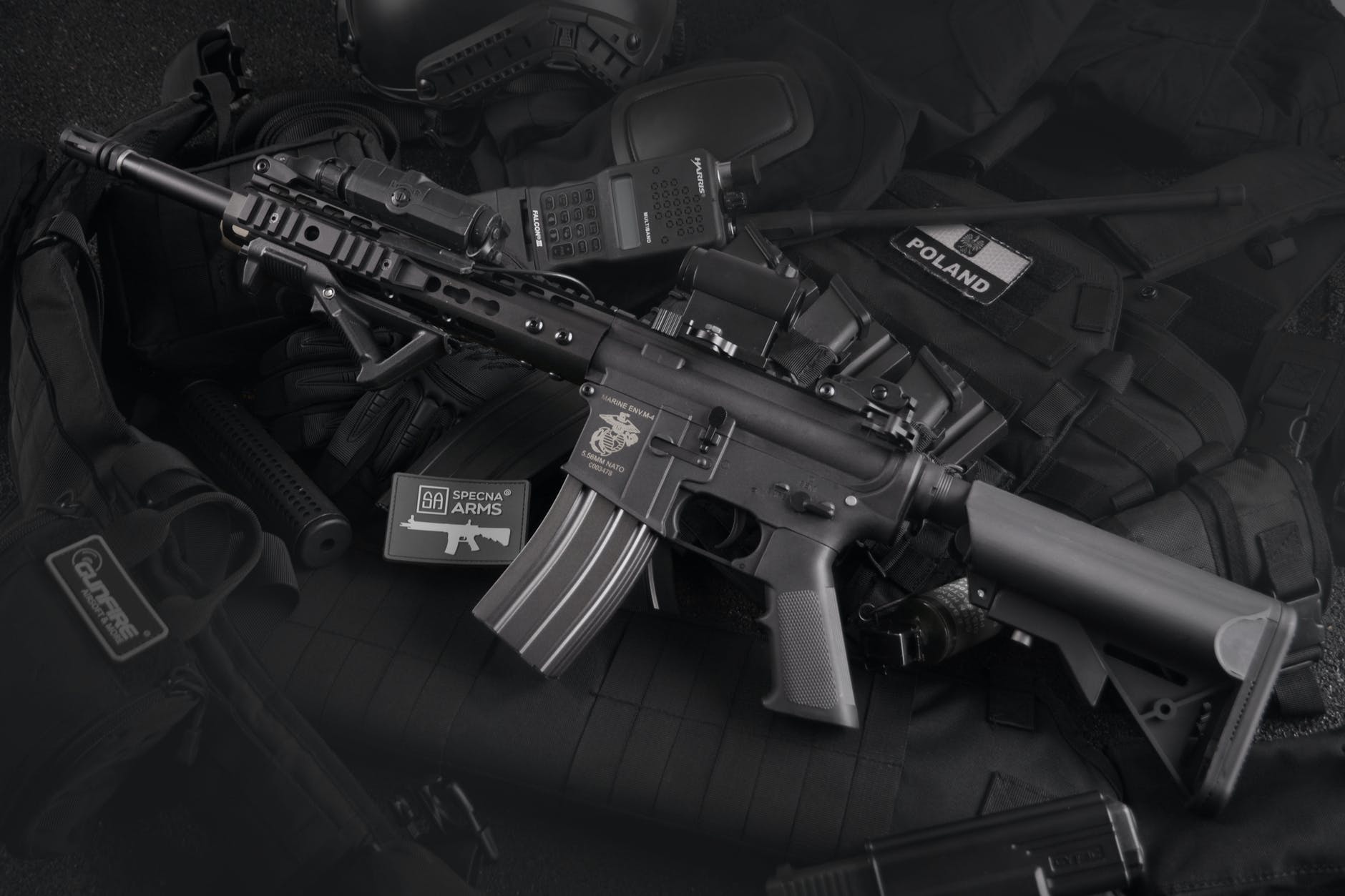
In the 12 months preceding Russia’s unprovoked invasion of Ukraine on February 24th, the U.S. supplied approximately $700 million in military weaponry & gear. From the commencement of hostilities until July 1st, Ukraine has received $6.9 billion in military equipment, weaponry, and munitions from the U.S. The DoD announced on July 1st that an additional $820 million in military hardware was on its way to Ukraine. For anyone familiar with the cost of military logistics, which encompasses the purchasing, transportation, storage, repair and inventorying of everything a military unit needs to function, it’s a massive, complex and costly endeavor. Numerous estimates have been reported on the annual cost of a soldier deployed to a war zone. It runs from $850,000-$1.4 mil. Granted, these are U.S. military costs, and Ukraine’s are likely half as much, if that. Regardless, you get the point that combat forces burn through an incredible amount of money to sustain the fight. By time U.S. and NATO equipment arrives in Ukraine, it’s quickly distributed. They don’t have the luxury of stockpiling. Here’s a list of military gear that comprises the new $820 million package. • 36,000 105mm artillery rounds; • 126 Tactical Vehicles to tow 155mm Howitzers; • 19 Tactical Vehicles to recover equipment; • Eight High Mobility Artillery Rocket Systems and ammunition; • Two National Advanced Surface-to-Air Missile Systems (NASAMS); • 20 Mi-17 helicopters; • 400+ Up-Armored Humvees; • 200 M113 Armored Personnel Carriers; • 10,000+ M203 grenade launchers, M4 Rifles and M9 Pistols; • 59+ million rounds of small arms ammunition (including AK-47 ammo); • 75,000 sets of body armor and helmets; • 121 Phoenix Ghost Tactical Unmanned Aerial Systems; • 1,000 AGR-20 70mm APKWS Laser-guided rocket systems; • Puma Unmanned Aerial Systems; • Six Unmanned Coastal Defense Vessels; • 26 counter-artillery radars; • Four counter-mortar radars; • Four air surveillance radars; • Two harpoon coastal defense systems; • 18 coastal and riverine patrol boats; • Explosive ordnance disposal protective gear; • Medical supplies, including first-aid kits, and CBRNE protective gear; • Electronic jamming equipment; • Training, maintenance & sustainment
Ciao,
Steve Miller, IAPWE – Certified & Member Managing Editor The Report on National Security Kinetics™ Seattle, WA. USA vietvetsteve@millermgmtsys.com
A Famous Writer’s Most Profound Utterance About World War I
Published July 4, 2022
In May 1946, the famous English essayist, novelist & satirist, George Orwell (1903–1950), published an article in the short-lived British magazine “Polemic,” in which he analyzed the political, socioeconomic, and nationalistic single-mindedness of the four dominant state participants of World War I: England, Russia, Germany, and France. They all thought it would be a quick war. The concept of World War I being thought of as a quick war, became easy prey for journalists & authors during the War, and for the following 30+ years. Throughout this entire period, George Orwell grew into one of the most revered writers of the 20th Century.
It is fitting that an Orwellian comment about the folly of a quick war has been preserved. Orwell’s 1946 sobering quote has proven its enduring accuracy for decades.
Orwell said: “The quickest way of ending a war is to lose it.”
Read on to understand why he felt the way he did.
All wars are terrible, but World War I occupies a unique, but tragic place in history: It started based on the hubris of the major political powers noted above. There were no tyrannical despots involved; no hegemonic land-gobbling; no dastardly sneak attacks; no irreconcilable political squabbles in the pre-war years. Undoubtedly, Europe’s highly developed countries were compressed into a small area, and they could, at times, behave like a burlap sack full of cats! Compounding the problem that led to such horrific loss of life & destruction was the flawed military strategy on both sides that combined 20th Century weaponry with 19th Century ground combat tactics. An example of the mind-boggling statistics is the British Army’s losses at the 1916 Battle of the Somme, where they lost 60,000 soldiers on just the first day of battle. That’s equivalent to 12 army divisions.
Until June 28, 1914, everything was business as usual. Then in Sarajevo (modern-day capital of Bosnia-Herzegovina), a Bosnian dissident assassinated the heir to the Austro-Hungarian throne, Archduke Franz Ferdinand. High-level political wrangling ensued over the next 30 days over Austria-Hungary’s intent to “punish somebody” for the assassination. Due to a mish-mash of treaty alliances between the various countries, the hubris kicked-in when one country declared, “if you attack so & so, then we will attack you.” Then a third country said, “well, if you attack my friend, then I will come to his defense.” Meantime, everyone mobilized for war, and by July 28th no one would back down, with war being declared against each other: England, France & Russia, versus Germany, Austria-Hungary & the Ottoman Empire.
Quite literally, each country saw themselves as the embodiment of the right cause to fight for, and kept it that way for more than four years; no one was willing to back down. So self-assured were the major powers, that each thought the opposing armies would collapse in just a couple of months; in essence, it would be a quick war. Each belligerent saw themselves as victors, ensuring everyone would be home for the Christmas 1914. Instead of a “quick,” planned war of four months, the combatants got four years of unscripted warfare. Everyone was a loser in W.W. I.
Ciao,
Steve Miller, IAPWE – Certified & Member Managing Editor The Report on National Security Kinetics™ Seattle, WA. USA vietvetsteve@millermgmtsys.com
During the recent COVID-19 Pandemic, there was much discussion about the materials, products and equipment contained in the Strategic National Stockpile (SNS). People wondered what was in the SNS, who decided what to put into it, how much is stored in it, where the SNS is located, the policies & procedures for replenishing it, and the logistics for accessing the stockpile for use. It seems appropriate at this time to educate everyone about America’s strategic reserves. The fact is: there is more than one type of reserve stockpile, with different governing statutes for each one of them. These four reserves are in chronological order, with the longest tenured reserve listed first:
The National Defense Stockpile (DNS)
The Strategic Petroleum Reserve (SPR)
The Strategic National Stockpile (SNS)
The National Veterinary Stockpile (NVS)
The Strategic National Stockpile is the program that has been so heavily covered by the news media throughout the COVID-19 Pandemic. For purposes of our discussion here, the National Defense Stockpile will be discussed first. The NDS came into existence 35 years before the Strategic Petroleum Reserve; much of the institutional learning, best practices, and the do’s & don’ts of managing such a huge undertaking, became the blueprint for the three follow-on programs. The DNS will be discussed first to set the table. Subsequent editions of the RNSK will cover each stockpile type separately.
The National Defense Stockpile (NDS)
The NDS first came into being in 1939 when the U.S. Congress passed the Strategic and Critical Materials Stock Piling Act. President Franklin D. Roosevelt pressed for the law, but, it was no easy feat. Starting in 1934, and continuing through 1939, Congress passed a series of increasingly stringent neutrality laws. The laws were intended to minimize the chance of America getting dragged into another foreign war, such as World War I. The possibility of another large scale conflict was a legitimate concern throughout the 1930s. When the first neutrality law was passed in 1934, Hitler and the Nazis had been in power over a year, and Japan had invaded and occupied the northern region of China, known as Manchuria, in 1931. When President Roosevelt championed the Stock Piling Act, many members of Congress thought it was just another indication of the country heading to war. Fortunately, there were enough Senators and Representatives who recognized the need to stockpile critical resources, regardless of any future war, and got the stockpile law passed.
The NDS statutes are contained in Title 50, Chapter 98, United States Code, and have been amended from time-to-time. The law provides for the acquisition and retention of certain strategic and critical materials to reduce and mitigate U.S. dependence on foreign sources or single points of failure in the strategic materials supply chain in times of national emergency. These materials are purchased and stored, forming what is known as the National Defense Stockpile.
The NDS Manager is the Secretary of Defense, however, he does not manage the stockpile directly. The NDS falls under the Assistant Secretary of Defense for Sustainment. The actual managing organization is the Defense Logistics Agency, led by a three-star Admiral or General, in Ft. Belvoir, VA. A civil service manager runs the Strategic Materials Directorate, also at Ft. Belvoir. In addition to the noted Defense Department organization just discussed, Title 50, Chapter 98, USC, also assigns certain limited duties to the Interior Department and the Agriculture Department. Although the Defense Department manages the actual stockpile operations, and is charged with acquiring the designated strategic materials listed in the statutes, the other two executive departments have NDS duties related to the research, development and contingency plans of domestic sources of supply. For example, the Interior Department’s U.S. Geological Survey is responsible for strategic preparedness in a national emergency for various NDS metals and minerals that can be exploited domestically. Similarly, the Agriculture Department utilizes its Agricultural Research Service and U.S. Forest Service to conduct R&D and contingency plans to capitalize on agricultural products that could be diverted for alternative uses to supplement possible NDS shortfalls in a national emergency.
The List of NDS Strategic Materials
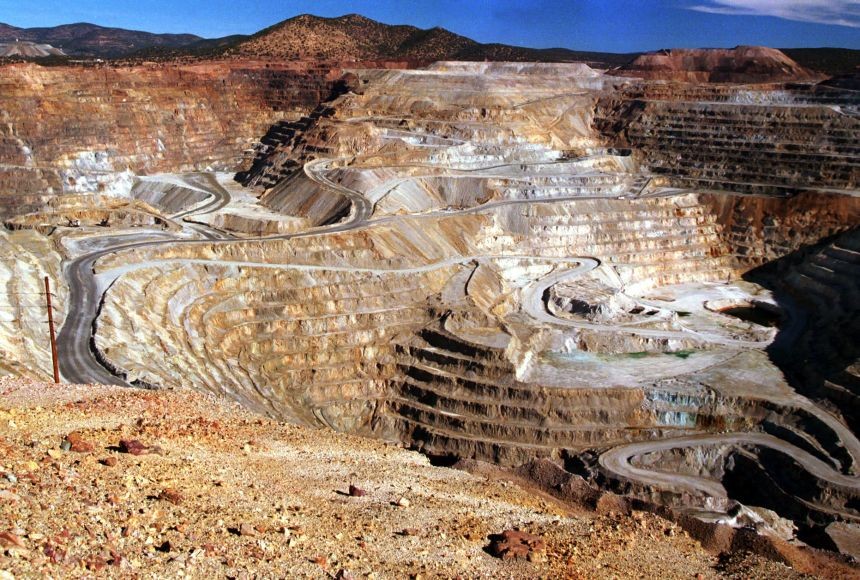
The NDS statutes currently list 64 strategic materials in four major categories: Compounds, Metals, Non-Metals, and Rare Earth Elements. As a point of clarification, Rare Earth Elements are often mistaken for precious metals, such as gold, silver and platinum, assuming a high value metal is synonymous with the term “Rare.” In actuality, “Rare Earth” refers to the fact that these elements are “rarely” found in nature in their pure form; they are mixed-in with other kinds of ore, making the mining and pure element extraction process difficult and expensive. The list of materials below are managed directly by the NDS at their several depot locations.
Aluminum (Al/13)
Graphite/Carbon (C/6)
Quartz Crystal
Antimony (Sb/51)
Hafnium (Hf/72)
Rhenium (Re/75)
Arsenic (As/33)
Holmium (Ho/67)
Samarium (Sm/62)
Barium Sulfate (BaSO4)
Indium (In/49)
Scandium (Sc/21)
Beryllium (Be/4)
Iridium (Ir/77)
Selenium (Se/34)
Bismuth (Bi/83)
Lanthanum (La/57)
Silicon (Si/14)
Boron (B/5)
Lead (Pb/82)
Strontium (Sr/38)
Cadmium (Cd/48)
Lithium (Li/3)
Tantalum (Ta/73)
Calcium Fluoride (CaF2)
Lutetium (Lu/71)
Tellurium (Te/52)
Cerium (Ce/58)
Magnesium (Mg/12)
Terbium (Tb/65)
Chromium (Cr/24)
Manganese (Mn/25)
Thulium (Tm/69)
Cobalt (Co/27)
Mercury (Hg/80)
Tin (Sn/50)
Copper (Cu/29)
Molybdenum (Mo/42)
Titanium (Ti/22)
Dysprosium (Dy/66)
Neodymium (Nd/60)
Tungsten (W/74)
Erbium (Er/68)
Nickel (Ni/28)
Vanadium (V/23)
Europium (Eu/63)
Niobium (Nb/41)
Ytterbium (Yb/70)
Gadolinium (Gd/64)
Palladium (Pd/46)
Yttrium (Y/39)
Gallium (Ga/31)
Platinum (Pt/78)
Zinc (Zn/30)
Germanium (Ge/32)
Praseodymium (Pr/59)
Zirconium (Zr/40)
The following seven materials are managed directly by the Interior Department on behalf of the NDS.
Cesium (Cs/55)
Helium (He/2)
Natural Rubber
Potash (potassium compounds)
Rubidium (Rb/37)
Silver (Ag/47)
Uranium (U/92)
The NDS Management Process & Locations
NDS materials are stored at 6 locations throughout the U.S. and have a current market value of approximately $1.1 billion. These material depots are located on U.S. Government property managed by the Defense Logistics Agency, and are used for many other DoD programs, including equipment repair & storage, weapons & munitions magazines, surplus equipment disposal, and others. Although the NDS does not publicly disclose how much material they have on-hand, or what is stored in each location, there is no need to make their whereabouts classified information. The NDS depots are already located on heavily guarded military installations, and even if a major theft were to occur, the items in storage are industrial grade materials that would be extremely difficult to sell on the black market without getting caught. All six depots are extremely large, multi-building installations that are located well inside the country’s international boundaries. An enemy attack by air or ground forces would be a high risk, one-way mission by those involved. Since individual NDS materials are each stored at multiple locations, it would be nearly impossible to launch six massive raids in a coordinated, simultaneous attack. About the only way an adversary could deliver a knockout blow to the NDS would be by nuclear weapons at all six depots at once. It would be no easy task.
Locations
Hammond, IN
Hawthorne, NV
Lordstown, OH
Pt. Pleasant, WV
Scotia, NY
Wenden, AZ
Historical Perspective of the National Defense Stockpile
The average person, American or otherwise, has only a cursory understanding of the depths and implications of a worldwide war, such as World War I from 1914-1918, and World War II from 1939-1945. Wars conducted since 1945 have all been regionalized, and primarily affected just the engaged belligerent nations. In terms of economic impact, human sacrifice and other privations of war, the most seriously affected are the nations where the heaviest combat operations occurred. For belligerents in a regional conflict who had no actual combat operations on their own soil, such as the United States during the Vietnam War, daily life at home was virtually unaffected for 95% of the population.
Global warfare, however, is much different. It is not just a clash of opposing military forces, but, creates hardships and sacrifice in all walks of life. As the name implies, global warfare has few geographic, economic, or human boundaries…all aspects of global life are “fair game.”
In most wars, global or regional, they begin with a clash of military forces from opposing sides. Naval warships are attacked and possibly sunk; military aircraft bomb adversary forces and installations; adversaries shoot down each other’s planes, and adversary armies engage each other. These force-on-force confrontations, known as tactical warfare, are what the average person thinks of in terms of what war is.
But, when wars spread into other countries, become protracted, and consume ever greater amounts of manpower and materials, tactical warfare becomes less able to bring victory to one adversary versus another. At this point both sides continue to engage in tactical warfare to essentially keep the pressure on, but, now strategic warfare enters the picture. The essence of strategic warfare is to disable an adversary’s means and will to wage war. This can take many forms, including: information warfare, espionage, sabotage, clandestine intelligence operations, infrastructure destruction, and commerce or trade warfare. The NDS’s primary role is to deter or mitigate an adversary’s efforts to disrupt commerce by denying the U.S.’s ability to obtain the raw materials necessary to wage war.
In both world wars, after the opening rounds of force-on-force combat engagements on the sea, in the air, and on the ground, the major combatants began commerce warfare. This was most evident in the Atlantic Ocean where submarines of the German Kreigsmarine waged unrestricted warfare on all Allied merchant shipping. Submarines of the American Navy waged unrestricted submarine warfare in the Pacific Ocean on all Japanese merchant shipping. By the end of the war, American submarines had destroyed or sunk 75% of all Japanese merchant vessels. This choked-off Japan’s ability to obtain oil, rubber, and many critical metals needed to produce aircraft, ships and weapons. The NDS program is designed to counter the effects of strategic commerce warfare stemming from a major military conflict, or an embargo imposed by an unfriendly nation. The United States uses embargoes and sanctions against certain countries quite effectively. This is especially true when a country does not have a robust strategic national stockpile program that covers multiple categories of raw material, oil, equipment, medical supplies, etc.
Implications of Commerce Warfare, Embargoes and Sanctions in 2020
In today’s terms, the United Nations Conference on Trade and Development (UNCTAD) estimates that roughly 80 percent of all global trade – by rail, truck, ship and plane – is transported by sea. Of the total global trade volume by all means, 34% of it passes through the South China Sea by ship!
Country
% Share of World GDP
Trade Value through South China Sea (USD billions)
South China Sea Trade As % of All Trade in Goods
United States
24.5
208
5.72
China
14.8
1470
39.5
The United States and China represent the two largest shares of the world’s total Gross Domestic Product (GDP). Of the top 10 countries with goods transiting the South China Sea, nearly 40% of Chinese goods transported by all means moves by ship through the South China Sea. By comparison, India and Brazil at 30% & 23%, respectively, are the next highest behind China. Of the other top 10 South China Sea users, The United States is ninth, and Canada is tenth at less than 3%. The vast majority of ocean trade bound for the United States heads directly into the Pacific Ocean bound for Seattle/Tacoma, San Francisco Bay or Los Angeles/Long Beach.
It is quite clear that the South China Sea is a critical trade route for China. Most traffic takes the shortest route through the Malacca Straight between Indonesia and Malaysia. Alternative routes are not only more expensive and time consuming, but, also pose a greater security risk for China. This is why China has spent the past 15+ years claiming islands and building military bases in the South China Sea. These moves have been heavily disputed in international court by Vietnam, The Philippines and Taiwan. Thus far, court cases have ruled against China, but, they refuse to recognize these decisions. The United States’ strategic partnering with The Philippines and Vietnam has taken on greater importance in the past decade. The U.S. Navy continues to sail its ships through the South China Sea based on freedom of navigation under international maritime law. China heavily disputes America’s presence. Strategic military analysts have stated for nearly 20 years that if a large scale war was to break out somewhere, it would likely be in the South China Sea. This situation has led to China’s massive shipbuilding program, putting its Navy on a par with the U.S. Navy in terms of the number of vessels.
Analyzing the Most Critical NDS Materials
Whereas, China’s greatest strategic concern is the risk of moving materials through the South China Sea, America’s risks are more diverse. Some of the risk stems from large coastlines on three major oceans, and many critical NDS materials are not easily sourced in the U.S. The NDS sources a number of critical materials from countries such as China, and some of the less stable third-world countries in Asia and Africa. Any of these states could experience a supply chain disruption due to political instability, military actions, or disagreements over trade. In most cases the NDS has sourcing alternatives in-place for the more risky material acquisitions. The following list of materials are some of the most challenging in terms of acquiring sufficient quantities for emergency stockpile use.
Barium Sulfate (BaSO4) More than 90% of this compound sold in the US is used as a weighting agent in fluids used in the drilling of oil and natural gas wells. Substitute materials have thus far not been commercially viable. Although Barium Sulfate resources exist in the U.S., they have never been commercially developed. The greatest risk with this material is that everything is imported from four major sources, with China being number one at 58%, and then India, 17%; Morocco, 12%; Mexico, 11%.
Cadmium (Cd/48) Cadmium is generally recovered from zinc ores, and most of the world’s primary cadmium metal is produced in Asia, and leading global producers are China, the Republic of Korea, and Japan. The U.S. has negligible Cadmium resources and imports come from: China, 25%; Australia, 22%; Canada, 21%; Peru, 10%; and other, 22%.
Cesium (Cs/55) The metal ignites spontaneously in the presence of air and reacts explosively in water. Because of this reactivity, cesium is classed as a hazardous material and must be stored and transported in isolation from possible reactants. The U.S. only uses a 6,000-7,000 lbs of cesium per year. There are no domestic sources of cesium, so everything is imported. The NDS does not publish cesium import statistics, but, Canada is believed to be the primary supplier. Cesium is an uncommon element that can be mined in only a few places in the world. Canada accounts for more than two-thirds of world reserves.
Gallium (Ga/31) Gallium is used primarily in integrated circuits (cell phones, especially smart phones, wireless internet); optoelectronic devices (laser diodes, LEDs, photo-detectors, and solar cells). Gallium-based ICs are used in many defense-related electronics, and no effective substitutes exist for Gallium in these applications. It is not produced in the U.S., and demand is satisfied solely by imports from China, 50%; United Kingdom, 18%; Germany, 10%; Ukraine, 9%; and several lesser sources. China’s Gallium resources, and the U.S.’s lack of resources, poses a national security risk to the United States.
Tungsten (W/74) Tungsten is a heavy, hard metal that is stronger than any other known element. It is very expensive, and due to its mechanical properties it is used in wear-resistant alloys, in nickel super-alloys for high-temperature sections of jet engines, armor penetrating projectiles, aircraft weights and counterweights, and small arms ammunition. China ranks first in the world in terms of tungsten resources and reserves and has some of the largest deposits. Canada, Kazakhstan, Russia, and the U.S. also have significant tungsten resources. The U.S., however, has not had an operating tungsten mine since 2015. All tungsten is imported from the following countries: China, 31%; Bolivia, 10%; Germany, 9%; Spain, 6%; and all others, 44%.
Arsenic (As/33) When the average person hears the word “arsenic,” their first thought is, “oh, that’s a poison.” It is a fact that arsenic is used in pesticides and herbicides. In terms of being a critical NDS material, however, arsenic has a very important usage in the production of Gallium-Arsenide (GaAs) semiconductors for solar cells, space research, and telecommunications. It is also used for specialty optical products, and in electronic components for short-wave infrared technology. Many defense-related electronic products would be hard pressed to meet their performance specifications without GaAs components. Arsenic is rarely found as a pure element, and is often found in copper, gold and lead deposits. When these metals are refined into their purest form, the by-product is set aside for further extraction of any remaining elements, like arsenic, if economically feasible. The easiest ore to recover arsenic from is arsenic trioxide, but, it has only been found in China and Morocco. Morocco does not have the ability to refine the material, so, they sell it for export. Several other countries have arsenic refining capability. China, on the other hand, has an extensive arsenic trioxide refining capacity, and accounts for 93% of refined arsenic sold worldwide. This poses a national security threat to the U.S. because the other countries that can refine arsenic have only a small fraction of China’s processing capacity. The US is 100% import reliant for its arsenic needs.
Germanium (Ge/32) Germanium is mainly a byproduct of zinc ore processing. Germanium is a semiconductor, with electrical properties between those of a metal and an insulator. Other than electronic components, germanium is used in telecommunication fiber optics, lenses for infrared (IR) devices in military applications, and solar cells. Fiber-optic cable manufacturing accounts for about one-third of global germanium consumption. Although China remains the leading global producer of germanium, the U.S. has substantial reserves of recoverable germanium contained in zinc deposits in Alaska and Tennessee. The U.S. imports refined germanium from the following countries: China, 59%; Belgium, 22%; Germany, 9%; Russia, 7%; and others, 3%.
Rare earth elements – Cerium (Ce/58), Dysprosium (Dy/66), Erbium (Er/68), Europium (Eu/63), Gadolinium (Gd/64), Holmium (Ho/67), Lanthanum (La/57), Lutetium (Lu/71), Neodymium (Nd/60), Praseodymium (Pr/59), Scandium (Sc/21), Terbium (Tb/65), Thulium (Tm/69), Ytterbium (Yb/70), and Yttrium (Y/39). Rare earths are relatively abundant in the Earth’s crust, but minable concentrations are less common than for most other ores. Nearly all countries have rare earth elements, but, because extraction and processing costs are high, most countries do not invest their time or money to develop the industry. China accounts for 80% rare earth materials mined and sold worldwide. Other producers include: Estonia, Japan, Malaysia, Brazil, Australia, and India. The U.S. has not made much effort to mine and produce rare earth materials on its own; they are 100% reliant on imports. The estimated distribution of rare earths by end use are as follows: catalysts, 75%; metallurgical applications and alloys, 5%; ceramics and glass, 5%; polishing, 5%; and others, 10%.
Wrapping It Up
The Congress of the United States has authorized the NDS to sell commodities that are excess to Department of Defense needs. Sales of excess NDS materials produce revenue for the Treasury General Fund and a variety of defense programs such as the Foreign Military Sales program, military personnel benefits, and the buy-back of broadband frequencies for military use. The sales revenue also funds NDS operations to make it a self-sustaining organization. Because of the broad portfolio of materials held by the NDS, there is no private sector company in the world that sells this wide range of commodities and materials.
Approximately 35% of the 64 types of material held by the NDS are traded on the open commodities markets. Examples include copper traded on the London Metals Exchange, platinum traded on the New York Mercantile Exchange, and rubber on the Tokyo Commodities Exchange. Because the NDS purchases these traded commodities in such high volume, they buy them directly from the exchanges, and not from individual private sector companies or sellers. This means NDS staff members involved in these transactions have to hold commodities broker licenses.
Since the NDS is a U.S. Government agency, everything they buy and sell is done via announced solicitations. This allows qualified contractors to submit sealed bids for the purchase of commodities from the NDS. In October 2019, for example, the NDS announced that at various dates to be determined in FY2020, there may be potential sales of the following materials from NDS inventory: Beryllium, Chromium, Germanium Scrap, Manganese, Nickel Alloys, Platinum, Iridium, Tantalum Carbide Powder, Titanium Based Alloys, Tungsten Metal Powder, and Zinc. The October 2019 announcement also indicated the maximum amount the NDS planned to sell of each material.
The NDS also announces every October their potential fiscal year material purchases and the maximum amount they might buy. The FY2020 potential purchases included: Antimony, Boron, Carbon Fiber, Cerium, Cadmium Zinc Tellurium (CZT), Electrolytic Manganese, Lanthanum, various explosives, Silicon Carbide Fibers, Tantalum, Tin, and Tungsten-Rhenium Alloy.
Aside from the buying, selling and storage of strategic and critical materials, NDS staff members also hold top secret security clearances for the work they do. Part of their job is to analyze open source intelligence, as well as, clandestinely collected intelligence, so, they can stay ahead of any developing issues that could constrain American access to materials contained in the NDS. For example, Indonesia is the largest seller of rubber to the United States. If there was a movement afoot to nationalize the rubber industry by the Indonesian government, this could disrupt the supply chain and impact DoD requirements for rubber. The NDS may determine the situation in Indonesia requires implementing a contingency plan to protect America’s supply chain of rubber.
Ciao,
Steve Miller, IAPWE – Certified & Member Managing Editor The Report on National Security Kinetics™ Seattle, WA. USA vietvetsteve@millermgmtsys.com
This is the premiere Edition of The Report on National Security Kinetics™ (RNSK). There are dozens of publications out there with content that touches on some of the RNSK Focus Areas, but, require regular monitoring of a half-dozen or more of them to cover it all. The RNSK format has been designed around a set of Focus Areas to help reduce a reader’s effort in keeping tabs on an important set of topics.
The RNSK Focus Areas have been selected by the editor based on 40+ years of experience as a U.S. military veteran, national security analyst, international business manager, writer, foreign policy researcher, college teacher, and military & presidential historian. It has been my honor to meet many women & men with similar backgrounds, including a shared belief in the importance of family, strong morals, human dignity, personal integrity, and putting country above self. Recognizing the Kinetic nature of National Security, factual & timely information related to the Focus Areas is an important factor to this editor and like-minded individuals.
The RNSK National Security Focus Areas are:
Government-related Policy and Actions (U.S. & non-U.S.)
Weapon Systems
Intelligence Collection, Analysis and Counter-Terrorism
Military Operations & Cyber Warfare
Historical Commentary
These Focus Areas may not always be covered in each edition. Instead, the content will vary from one edition to the next based on what readers are asking for, global events, and the topical insights of RNSK correspondents with many decades of experience. RNSK content is:
Reliable, well researched and factual;
Written with minimal opinions, speculation, or someone’s Ouija board;
Relative and timely, but, not a cyclical news source; RNSK has no competition-driven publishing deadlines.
The Need for Sources with Trustworthy, Verifiable Facts
With the widespread use of the internet, it puts a staggering level of content at our fingertips. The challenge for us, however, is determining the utility of what we read. Because our research & reading time is limited, it leads us to determine which information sources are most utilitarian, and fit the closest to our needs. For the serious consumer of useful web-based information, it is understood there is no “perfect” source, nor “one-size-fits-all.” We look for reliable information sources that provide the best content, without investing too much of our limited time and resources. In short, we want a good deal!
When I think about reliable information sources, it reminds me of my paternal grandfather, Albert Miller, a veteran of World War I and World War II. In between the wars, and for his last 20 years in the workforce, he was a pressroom manager for the Los Angeles Times. Although he was a loyal consumer of L.A. Times content, he also was a strong proponent of the philosophy, “believe only half of what you read, and nothing of what you hear.” He was a voracious reader of nearly everything he got his hands on. Coupled with pondering and introspection, he developed strong convictions based on objectivity. If he were alive today, he would have already applied his philosophy by carefully studying internet content for the favorable characteristics noted above. He would be scolding the public for not following his advice, and the global fallout over “fake news.”
History Repeats Itself
Prior to World War I, the average person was not overly challenged in differentiating between reliable and unreliable information purveyed to the public. Name brand public information back then included respected outlets such as the New York Times, Wall Street Journal, The Economist, and The Nation. After World War I, broadcast radio spread like wildfire across the globe, much the same way the Internet has in the past 20+ years. To illustrate the rapid spread of broadcast radio going into 1922, the year opened with only 28 radio stations in the United States. At the close of 1922, America could boast of having 570 commercial radio stations!
Radio broadcasting became so pervasive by the 1930s that Congress enacted legislation to form the Federal Communications Commission to regulate the industry. Just like television became the entertainment centerpiece in every home by the 1960s, radio held the same position from the 1920s through the 1940s. In the first half of the 20th Century, radio was literally the human lifeline to the rest of the world, the same as the Internet is today.
With the ever-increasing pace of a global society throughout the radio era, numerous people took the attitude that they were too busy, and did not have time to read a daily newspaper; the radio industry was more than happy to fill the gap. Radio carried the news, weather, sports, church services, music, and programmed entertainment, to name a few. Back then, different types of broadcasts were discernible…news programs and fictional entertainment were done in different styles. The overreliance on radio for all aspects of life spawned a common phrase that carried the force-of-truth behind it, “hey, I just heard on the radio…” If you heard it on the radio, it has to be true, right?
The bubble of truth in radio was burst in 1938 with the broadcast that came to be known as, “The War of the Worlds.” A 22-year old actor, Orson Welles, conducted a radio broadcast meant to be science fiction entertainment, but, it was delivered like a real newscast. Millions of people heard Welles’ “report,” and actually thought the Earth was under alien invasion! Even though Welles’ intent was entertainment, the public’s reliance on radio allowed them to be duped into thinking they were under alien attack. If you heard it on the radio, it has to be true, right?
Fast forward this to the internet age, but, with public overreliance on web-based content instead of radio, it has once again allowed agents-of-manipulation to blur the lines between fact and fiction. An unchecked social media was/is the perfect place to sow disinformation and blur-the-lines. In simple terms, with the veneer stripped back, it is slick, subtle lying; which isn’t very “social” by most people’s standards. This is evident in all the stories about “fake news” and the Information Warfare conducted during the 2016 Presidential Election. But, make no mistake, the blurring of fact and fiction seen in the past two years has nothing to do with entertainment, nor is it strictly one-upmanship between competing web-based information sources.
Duping the public with disinformation during the age of radio, or today’s internet, is not just information warfare; the root of the matter goes much deeper. So, it is true; history does repeat itself, but, why?
Web-based information distortion in some cases is an act-of-war; much like the information subterfuge undertaken by both sides in World War II. Let’s call it what it really is, a term that does not mince words…Espionage. It may not be a shooting war, but, it is warfare, nonetheless. The circumstances behind public communication in wartime England may have had its Fascist & Communists intriguers who angered government authorities and were carefully watched. The moment they crossed-the-line from just stirring things up, to proof of subversion, they were going to jail for espionage, at the least.
How Does This Relate to the RNSK?
The foregoing discussion bothers me…it bothers me a LOT. We can all agree that fiction is entertaining, but, not when we are looking for, and expecting to find the facts. But, even when we successfully cull-out fictional information, facts may still not be the facts. What someone says or writes may not be pure fiction, or manipulated fake news, but, what about intentional or unintentional co-mingling of fact and opinion? Any purveyor of information, regardless of media type, if they want to be seen as a viable source of factual information, they must exercise overt care in identifying when something is an expressed opinion, versus a confirmed fact. Whether a purveyor of opinion is honestly expressing just their opinion, it can and does, influence other people’s thinking and opinions. Expressing an opinion that is co-mingled with fact, is a disservice to the consumer, at best; at worst, it intends to convince someone how to think and act.
When it comes to writing and publishing the RNSK, the intent is to avoid the foregoing communication/information problems by the guidelines previously mentioned, to wit:
Reliable, well researched and factual;
Written with minimal opinions, speculation, or someone’s Ouija board;
Relative and timely, but, not a cyclical news source; RNSK has no competition-driven publishing deadlines.
So, if you have an interest in rounding-out your national security knowledge in today’s kinetic environment, and want the confidence of knowing the content is based on the foregoing parameters in a defined set of Focus Areas, and has been written with an eye toward the values imbued by America’s Founding Fathers, then The Report on National Security Kinetics™ is what you need…Welcome!
This is enough for now; the introduction has been done. Rather than trying to include an actual content article buried at the bottom of this premiere edition, where it likely would get lost, we will begin publishing informational content in the next edition. In the beginning, RNSK will be published bi-weekly. If a published article is prepared by a correspondent other than the editor, their name/credentials will appear at the end of it. Unless otherwise noted, all other content is by the editor & chief correspondent.







 The REPORT on NATIONAL SECURITY KINETICS™